The Cinemata Community Takes Shape
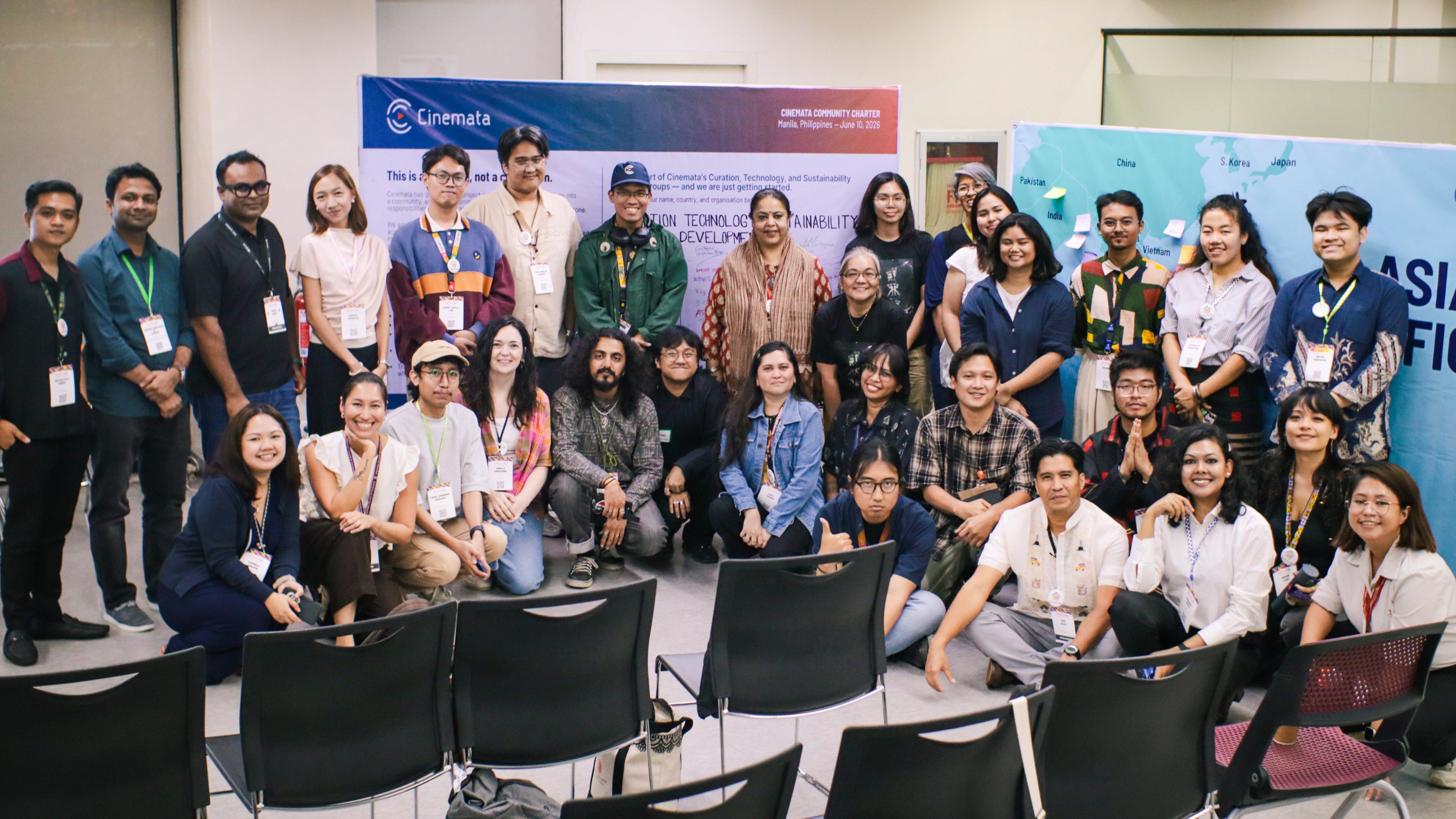
The Cinemata community gathers in front of the signed community charter, marking a shared step toward more participatory governance.
The first Cinemata Community Convening marked a turning point for Cinemata: from a platform shaped over years through partnerships, screenings, curation, and technical work, toward a community taking a more active role in its future.
Held on June 10–11, 2026 at the University of the Philippines BGC in Metro Manila, the two-day gathering welcomed 84 participants from Thailand, Indonesia, Myanmar, Malaysia, India, Bangladesh, Australia, the United States, and different regions of the Philippines. They included filmmakers, curators, educators, technologists, advocates, researchers, partners, and friends of Cinemata.
Cinemata began in 2021 as a free, ad-free, and privacy-respecting video platform for social issue films about the Asia-Pacific. Over the years, it has grown through relationships built one conversation at a time, with filmmakers sharing their work, educators bringing their students’ films to the platform, curators drawing connections between films, issues, and communities, partners hosting screenings, and communities helping show what Cinemata could become.
The convening came at this point in Cinemata’s growth, when many of these relationships had already taken root but had not yet gathered in one space. It was a chance to see the community around Cinemata more clearly, reflect on what the platform has become, and ask how its future can be shaped with more care, participation, and shared responsibility.
The convening gave these relationships a shared space, and opened a clearer question for Cinemata’s next phase: how can the platform be shaped with the communities that have helped bring it this far?
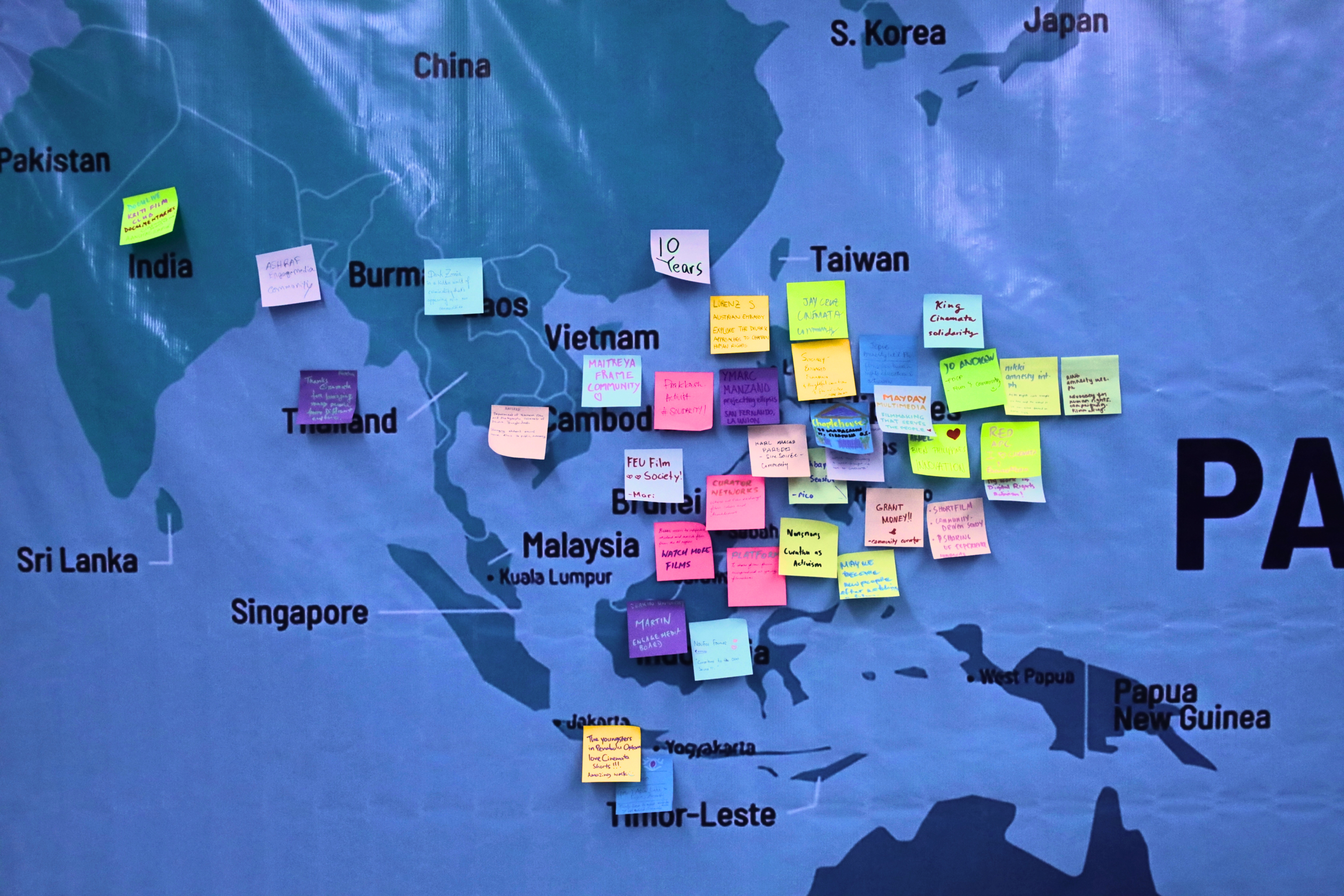
A living map of the Cinemata community, where participants located themselves across the Asia-Pacific and traced the many points of connection that brought them together.
Cinemata as Rhizome
The rhizome became one way to name the kind of growth already happening around Cinemata.
This came through the Cinemata community governance document, which was presented publicly for the first time in Manila. The document was created to give clearer shape to a community that had already been forming around the platform, and to ask how people might participate more directly in what comes next.
The governance document uses the rhizome to describe this kind of growth. Unlike a tree with one trunk or fixed centre, a rhizome spreads through many points of connection. It moves sideways, extends in different directions, and can take root in unexpected places.
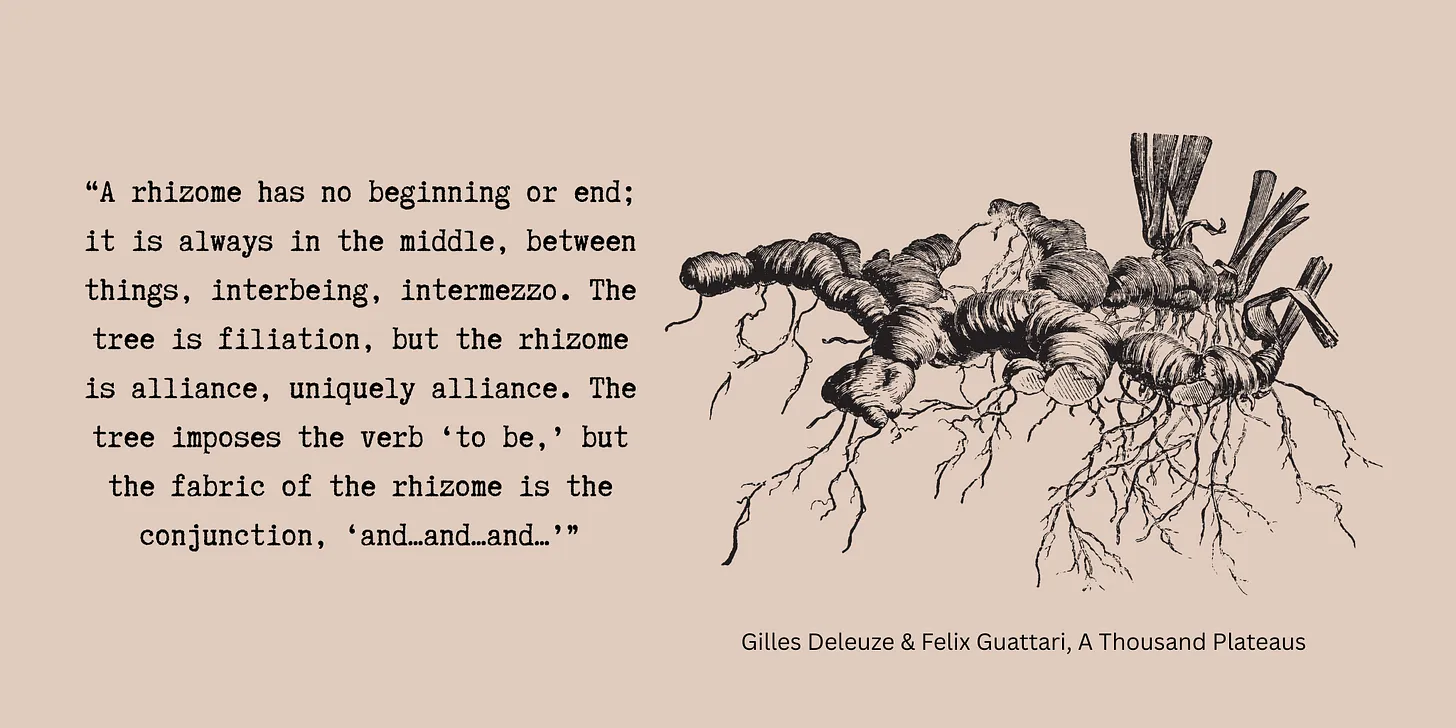
Image from Rhizome has no beginning or end
For Cinemata, the rhizome offers a way to think about governance as the platform grows. The work of sustaining the platform can no longer sit with the Cinemata team alone; its future decisions should also make room for the communities, relationships, and knowledge that have shaped it.
Conversations Across the Two Days
The convening programme began with Cinemata as it is already being used and shaped: through films that continue to circulate, curators building programmes across borders, partners giving feedback through practice, and communities bringing films into different spaces. On the second day, participants moved into working groups on Curation, Technology, and Sustainability. Check the full programme overview here.
Across the sessions, one question kept returning: what kinds of infrastructures do filmmakers, curators, educators, and advocates need so that stories can remain accessible, relevant, and in dialogue with communities long after their initial release?
In Where Do Short Films Go?, filmmakers Joanne Cesario, Mervine Aquino, and Saul Chan Htoo Sang, together with film curator Aanchal Kapur, discussed the fragile afterlives of short films and activist videos and the shared work needed to keep them accessible, contextualised, and in public view. In Curating Across Borders, Cinemata Community Curators Christ Dustly Tan, Nadira Ilana, Aghniadi, Maitreya Penkar, and Farhana Farha spoke from their experiences programming films across the Philippines, Borneo-Malaysia, Indonesia, Thailand, India, and Bangladesh. Together, these sessions asked how films can reach the communities and conversations where they can have greater impact, and what it means to curate for a community rather than only for an audience.
Other sessions turned to the relationships and infrastructures that make this work possible. Cinemata in 90 Seconds gathered short personal stories from people who had entered Cinemata through artistic freedom, labour media, community screenings, open-source development, regional film exhibition, and film education. Platforms Are Made by Their Partners, with Dyan Cortez of the Open Technology Fund, Nadira Ilana of CineBah, and Luzviminda Casagan of Gawad Alternatibo, focused on the different ways Cinemata has been used, tested, questioned, and shaped through its partnerships and contributors.
The screening of Dark Zomia, from the Tech Tales Youth Myanmar collection, brought these threads into a single story, opening a conversation on digital exploitation, displacement, survival, and moral compromise in post-coup Myanmar. The day also included the public presentation of the Cinemata community governance document, which introduced the rhizome framing and led into Joining the Rhizome, where participants signed the community charter and indicated their interest in the Curation, Technology, and Sustainability working groups.
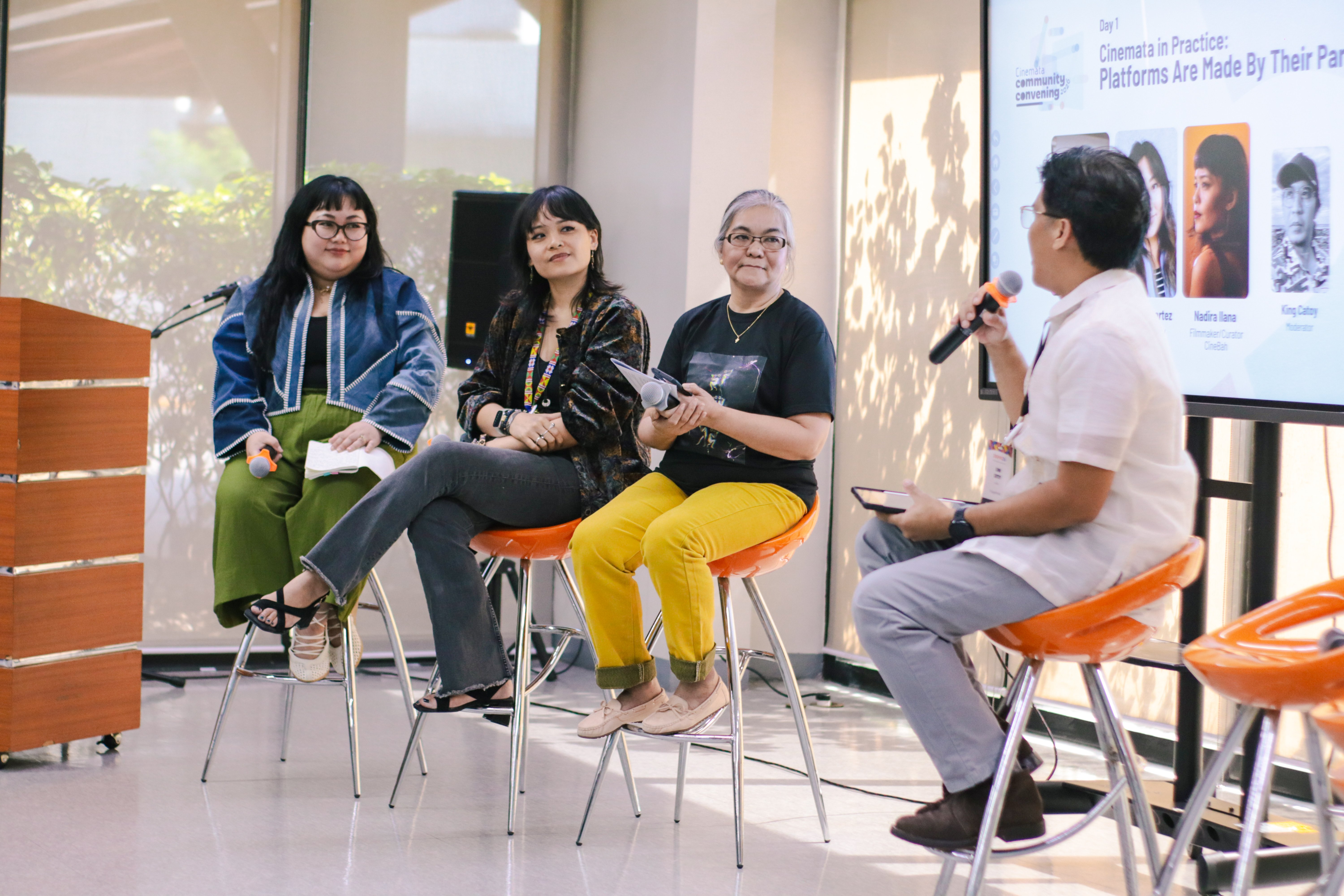
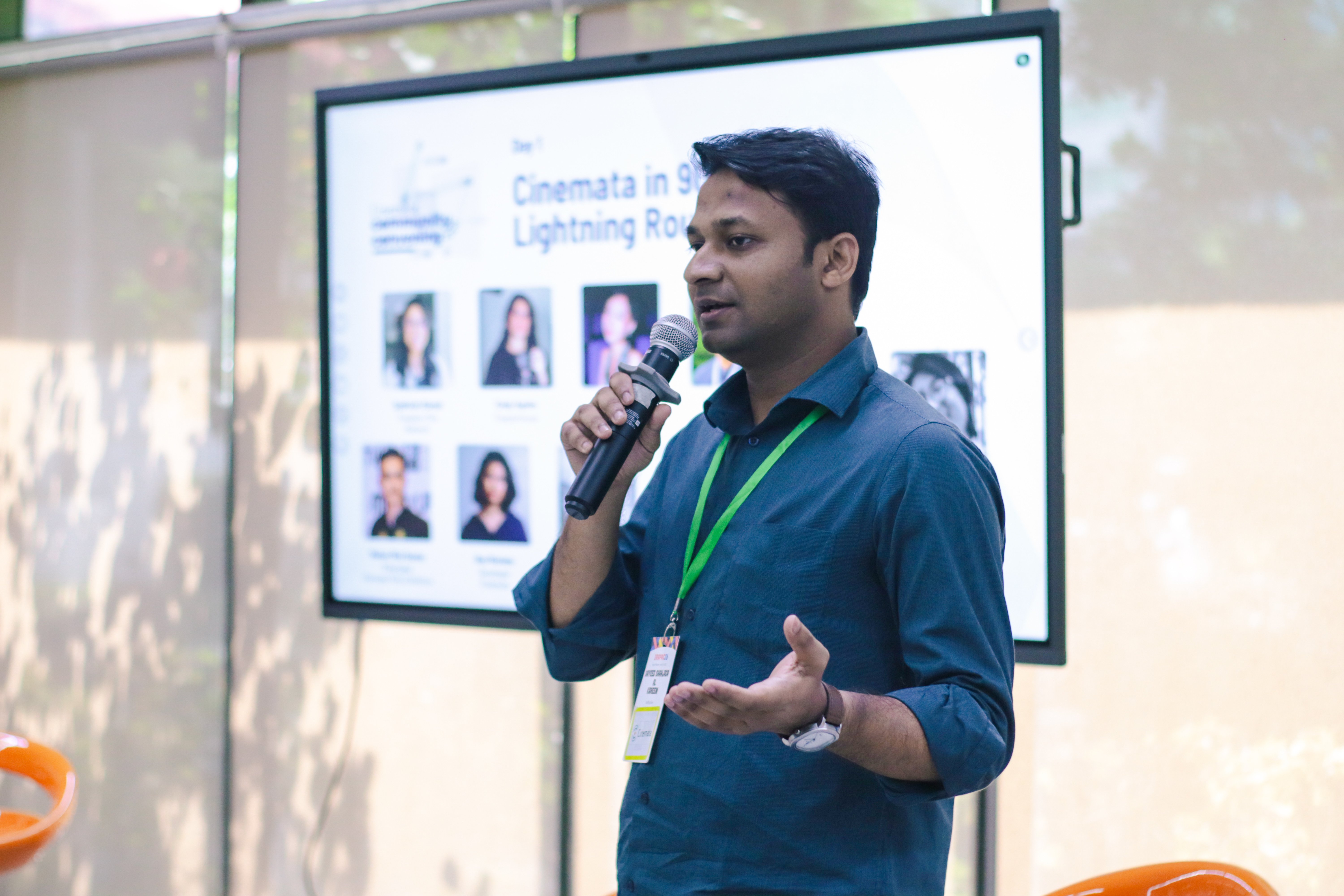
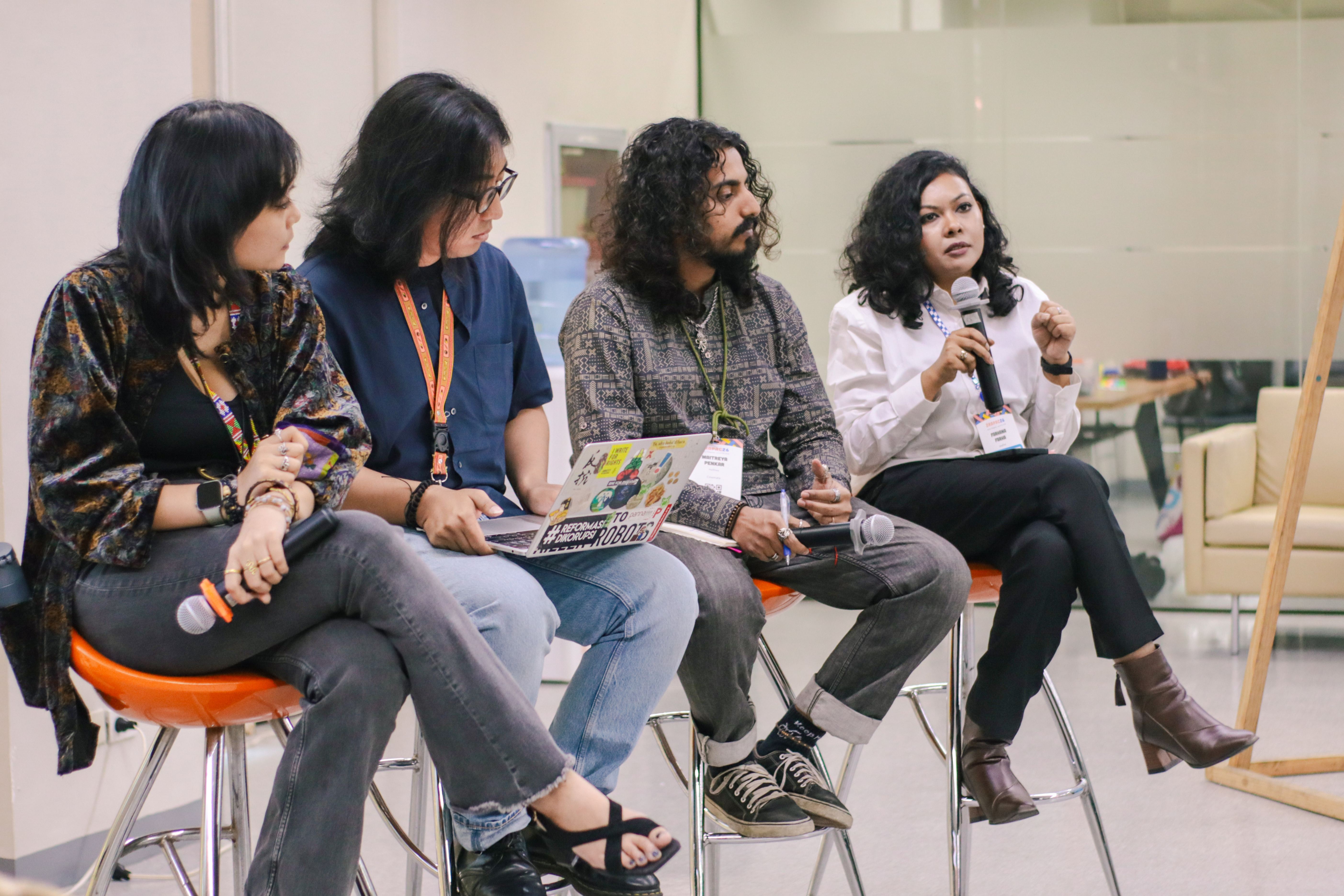
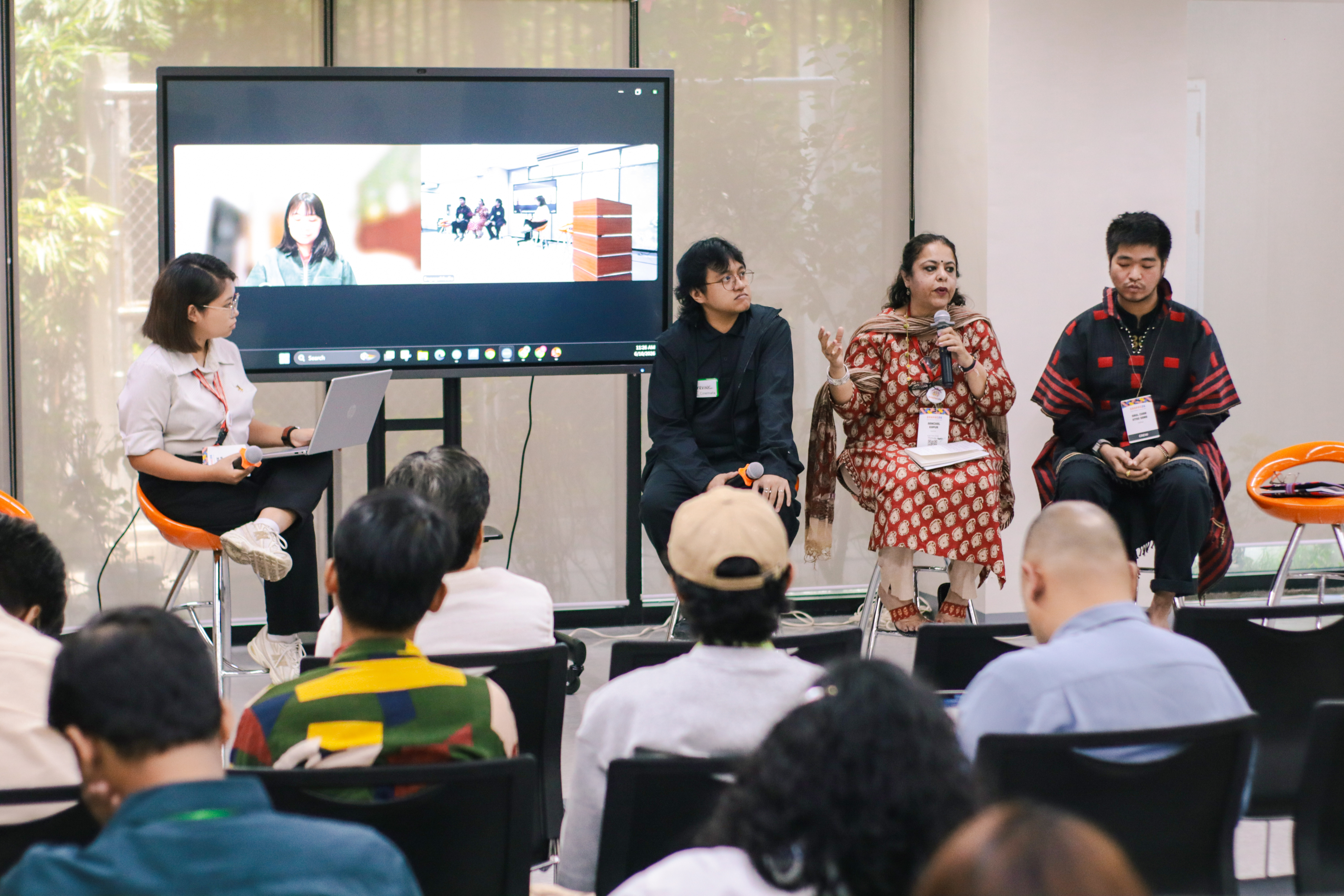
Day 1 sessions, clockwise from top left: 'Platforms Are Made by Their Partners', 'Cinemata in 90 Seconds', 'Where Do Short Films Go?', and 'Curating Across Borders'.
On the second day, those working groups began to think through Cinemata’s next phase more directly: how programming can give films more nuance and context, helping them reach the communities, classrooms, screenings, and advocacy spaces where they can have greater impact; how the platform can become safer, more usable, and more responsive to the communities it serves; how CinemataCMS can be strengthened for future deployments by other organisations; and how Cinemata can be resourced without compromising its mission.
Naufal Andriawan, one of Cinemata’s developers, reflects further on these questions in Bridging the Gap Between Code and Creators.
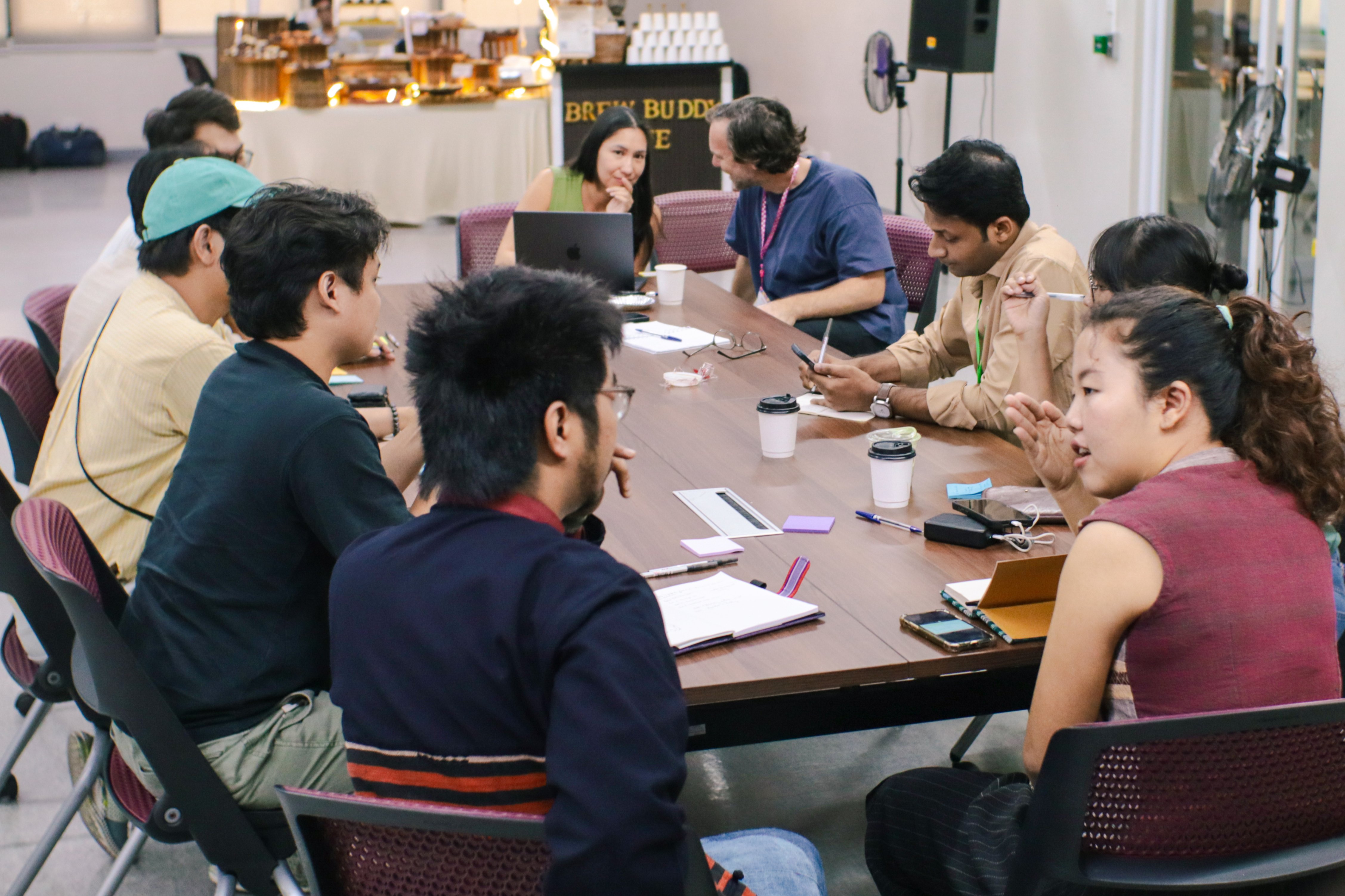
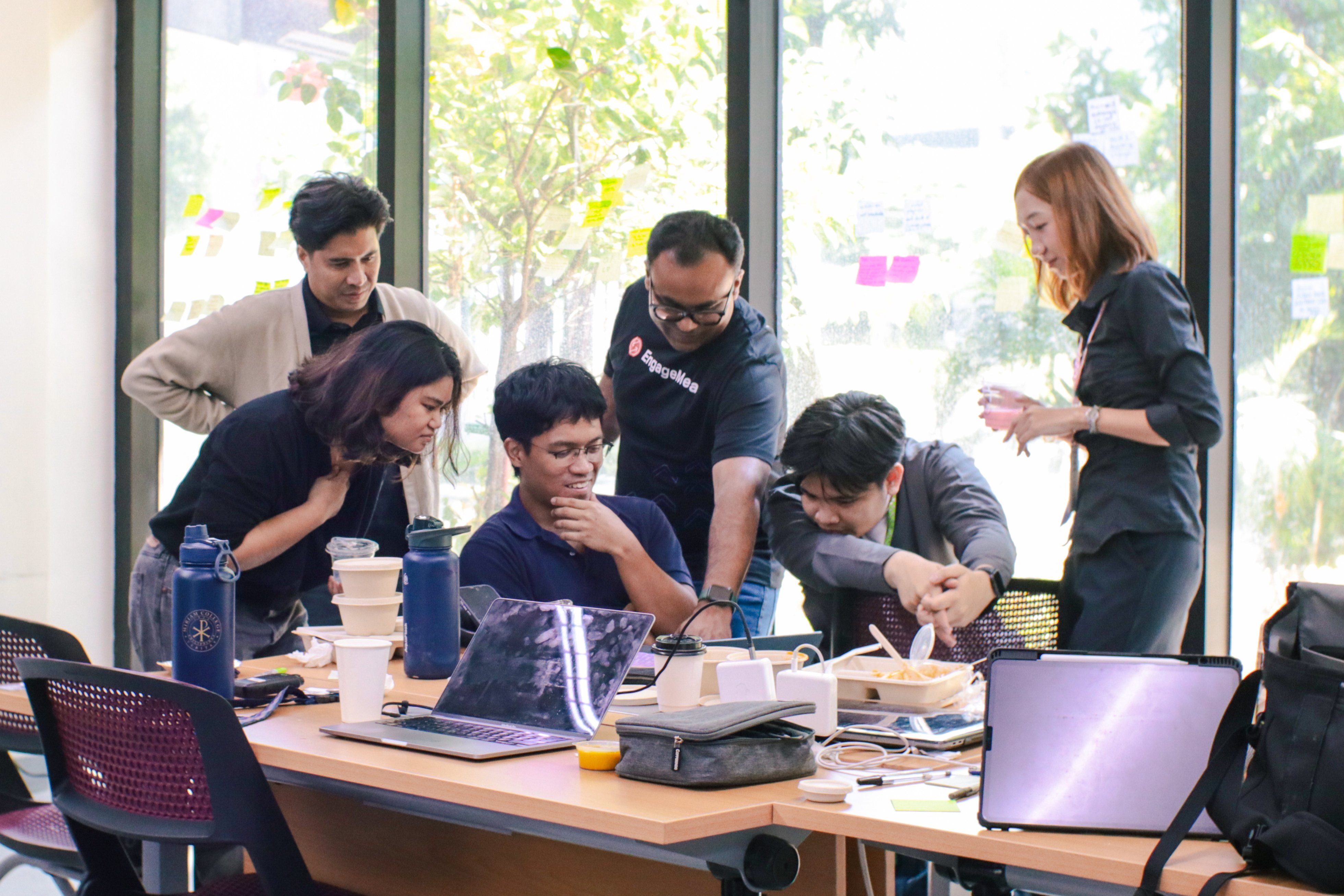
Scenes from Day 2 working group ideation and brainstorming. Left: Sustainability Working Group. Right: Technology Development Working Group.
Joining the Rhizome
One of the most meaningful moments of the convening was the signing of the Cinemata community charter.
The signing followed the public presentation of the community governance document, which named the values and boundaries that will guide Cinemata’s next phase: no advertising, no selling of user data, no partnerships that require editorial compromise or closed infrastructure, no pricing that excludes the communities the platform was built for, and no extractive relationships with filmmakers.
By the end of the gathering, participants had signed the charter, indicating interest in joining or contributing to the Curation, Technology, and Sustainability working groups.
The signing was not a formal contract, but an invitation to be part of the conversations and working groups that will help shape Cinemata’s next chapter. It made participation more concrete: a way for people to locate themselves within the work ahead, whether through curation, technology, sustainability, or other forms of support, while also shaping how Cinemata can better serve their own communities, films, programmes, and advocacy work.
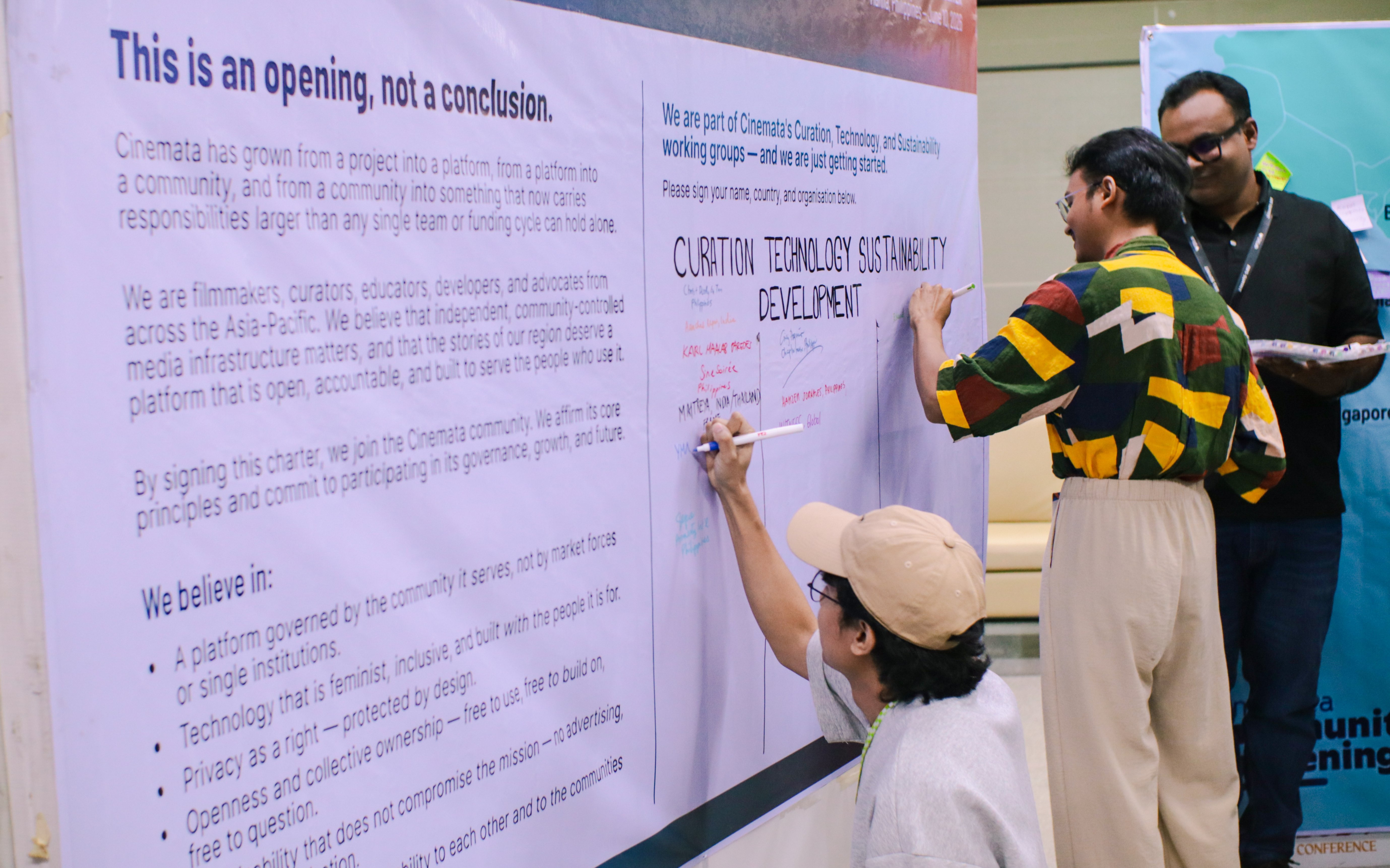
Participants sign the Cinemata community charter, marking their interest in joining the Curation, Technology, and Sustainability working groups.
What’s Next?
The Cinemata team is now organising notes, reflections, and documentation from the sessions and working groups. We will continue sharing materials from the gathering, including participant reflections and key points from the Curation, Technology, and Sustainability discussions.
We will also circulate an updated version of the Cinemata community governance document, shaped by the feedback gathered in Manila. The working groups will continue as spaces for discussion, recommendations, and shared thinking around Cinemata’s next phase.
If you would like to connect with the Cinemata community, share partnership ideas, or learn more about the working groups, reach us at [email protected].
Watch 'Shaping Cinemata's Next Chapter', Cinemata Community Convening 2026 video highlights.
Convening photos by JP Sanchez. Video highlights shot and edited by Alecx Literal.