Bridging the Gap Between Code and Creators: Reflections from the Cinemata Community Convening 2026
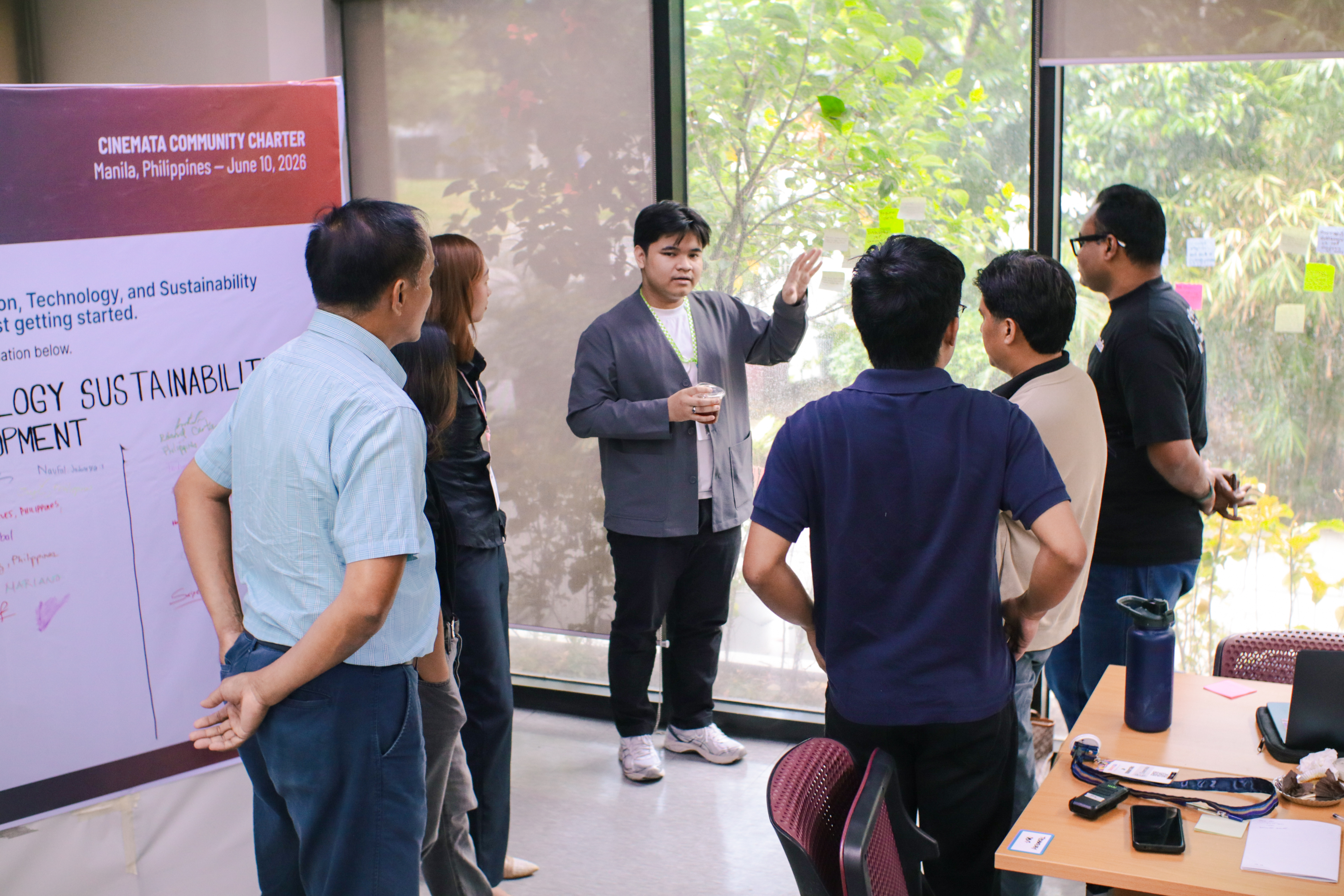
Naufal with the Technology Development Working Group during Day 2 of the Cinemata Community Convening.
Written by Naufal Fawwaz Andriawan
I attended the Cinemata Community Convening 2026 as one of the open-source contributors to CinemataCMS. It was an unforgettable experience to be surrounded by passionate filmmakers, curators, digital rights activists, and visual storytellers. I found myself immersed in a world quite different from my usual software engineering environment. While the intricate, artistic nuances of filmmaking are outside my typical domain, I attended every session eager to understand the community we are building software for. What I discovered was a powerful shared mission: empowering independent voices through technology.
Throughout the event, I absorbed the incredible energy of the participants, but the most memorable and impactful moments for me arrived on the final day. The conversations shifted away from the screen and toward a critical intersection: how technology, sustainability, and curators must actively collaborate to shape the future of Cinemata. It was during these discussions that my specific role within this vibrant ecosystem came into sharp focus.
As software engineers, it is easy to get caught up in the mechanics of building features, optimizing performance, or solving complex issues. However, the convening served as a profound reminder that building a truly successful open-source project is an entirely different challenge. It goes far beyond simply making the code work. It requires making the software accessible, reliable, and fundamentally safe for any organisation that chooses to adopt it.
During the forum discussion session, we received candid and invaluable feedback directly from our adopters. They highlighted a critical reality: our open-source project currently presents a steep learning curve. Adopters pointed out significant friction points, noting a lack of comprehensive, practical documentation, and expressing that the codebase itself can be difficult for newcomers to understand. Hearing this was a wake-up call.
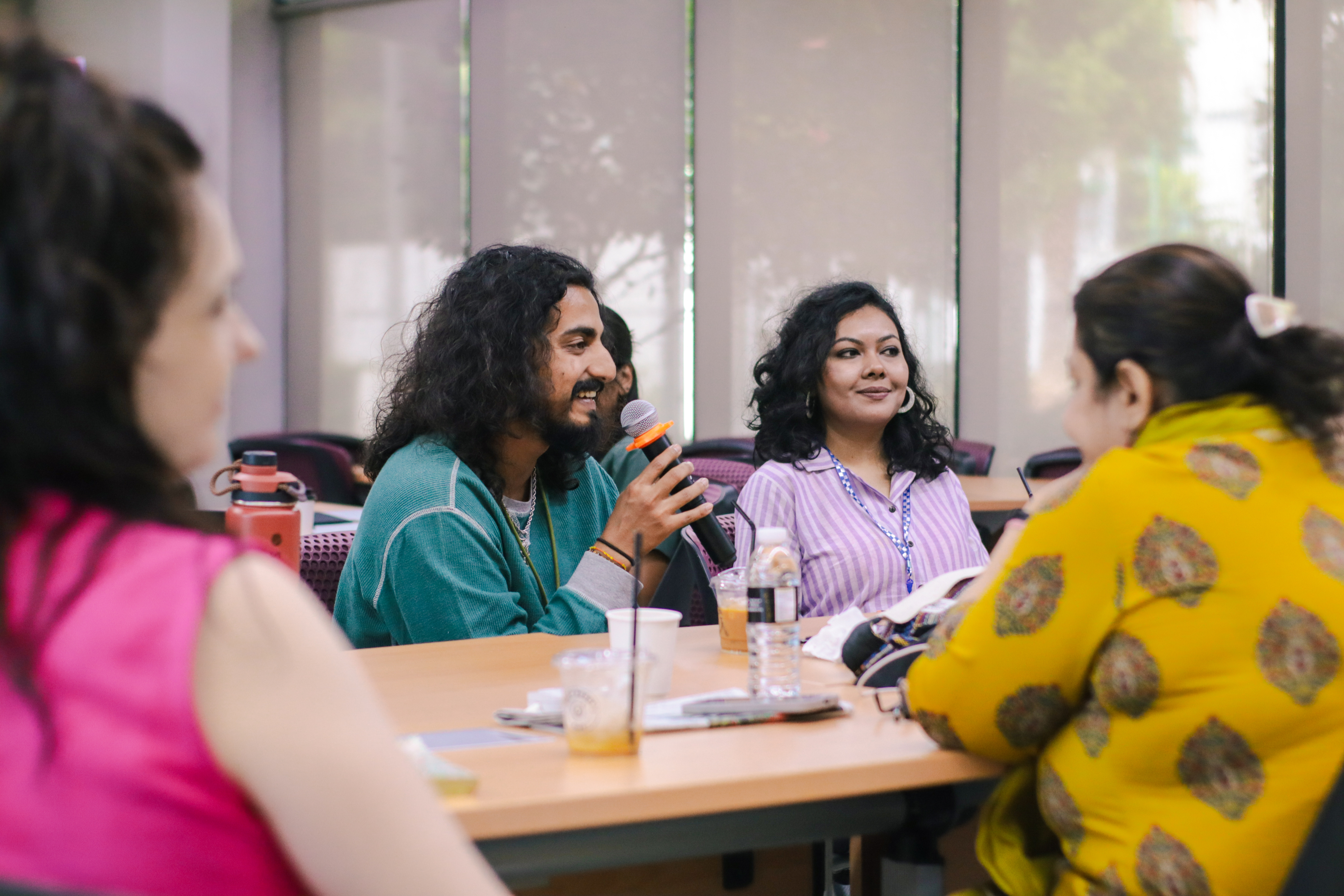
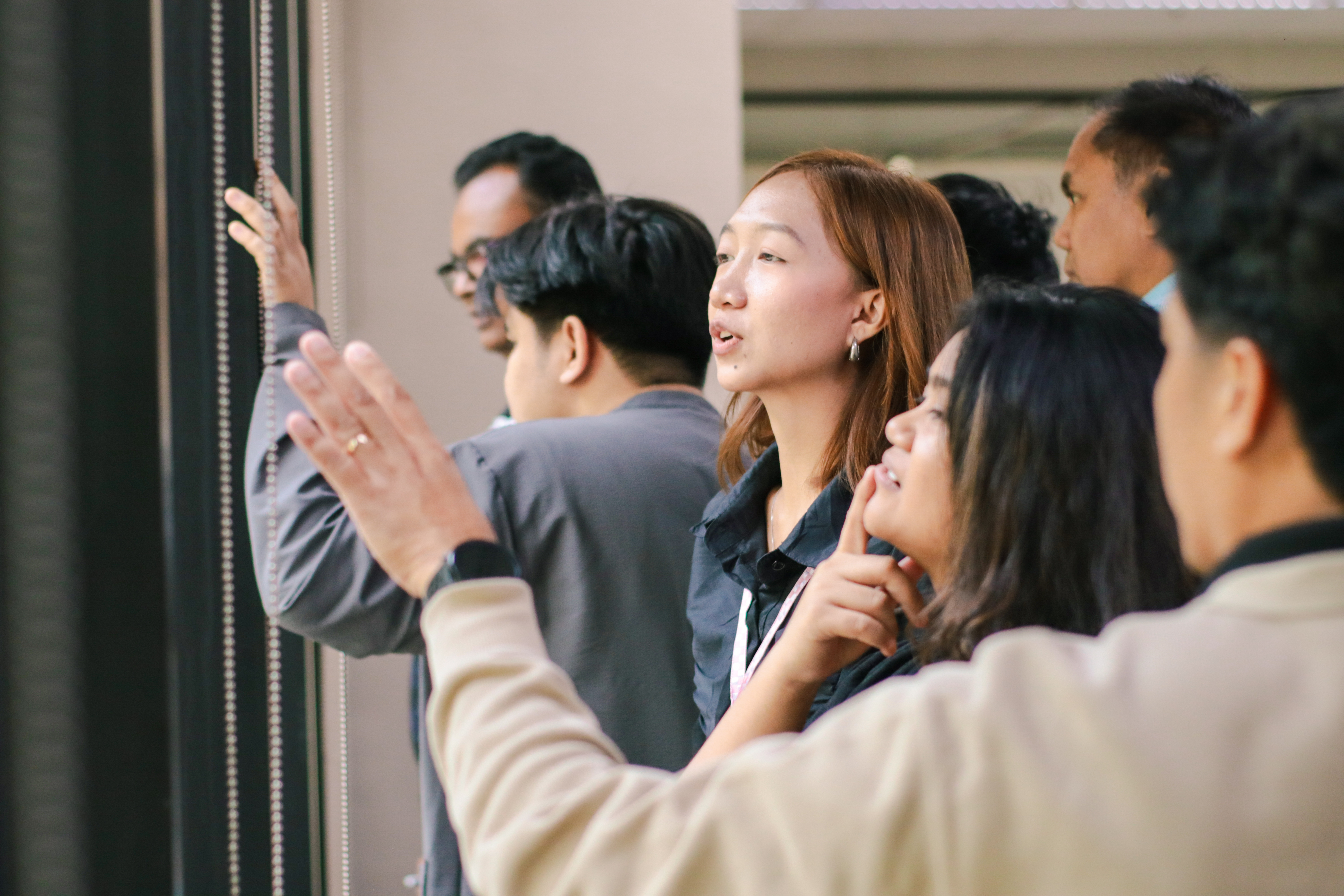
Left: Curation Working Group. Right: Technology Development Working Group, where developers and adopters discussed how CinemataCMS can better respond to the needs of the communities using Cinemata.
If an open-source tool lacks a clear “how-to” manual, or if the code is tangled and obscure, the technology becomes a barrier rather than an enabler. For a platform like Cinemata, which handles independent films and vital community narratives, technical safety and ease of deployment are not just developer conveniences; they are the foundation of trust. A complex, poorly documented system threatens the sustainability of the entire project because it prevents new organisations from adopting it with confidence.
Leaving the convening, my perspective as a technical contributor has fundamentally evolved. I realise now that writing functional code is only half of the job. Moving forward, my priority is to help close the gap between the architects of the software and the people who rely on it. We must have clear, practical documentation that guides users step by step, and we must advocate for cleaner, more maintainable code structures. By prioritising these elements, we can ensure that CinemataCMS is not just a powerful tool in theory, but a sustainable, secure, and truly open platform that empowers curators and filmmakers for years to come.
About CinemataCMS
CinemataCMS is the open-source software that runs Cinemata. Developed by EngageMedia, it supports the hosting, management, and circulation of social issue films and videos in ways that prioritise community needs, safety, accessibility, and control over platform infrastructure. As an open-source project, CinemataCMS can also be studied, improved, and adapted by others working toward community-centred video platforms.
Learn more about CinemataCMS on GitHub: https://github.com/EngageMedia-video/cinematacms