Cinemata Features: Raslene
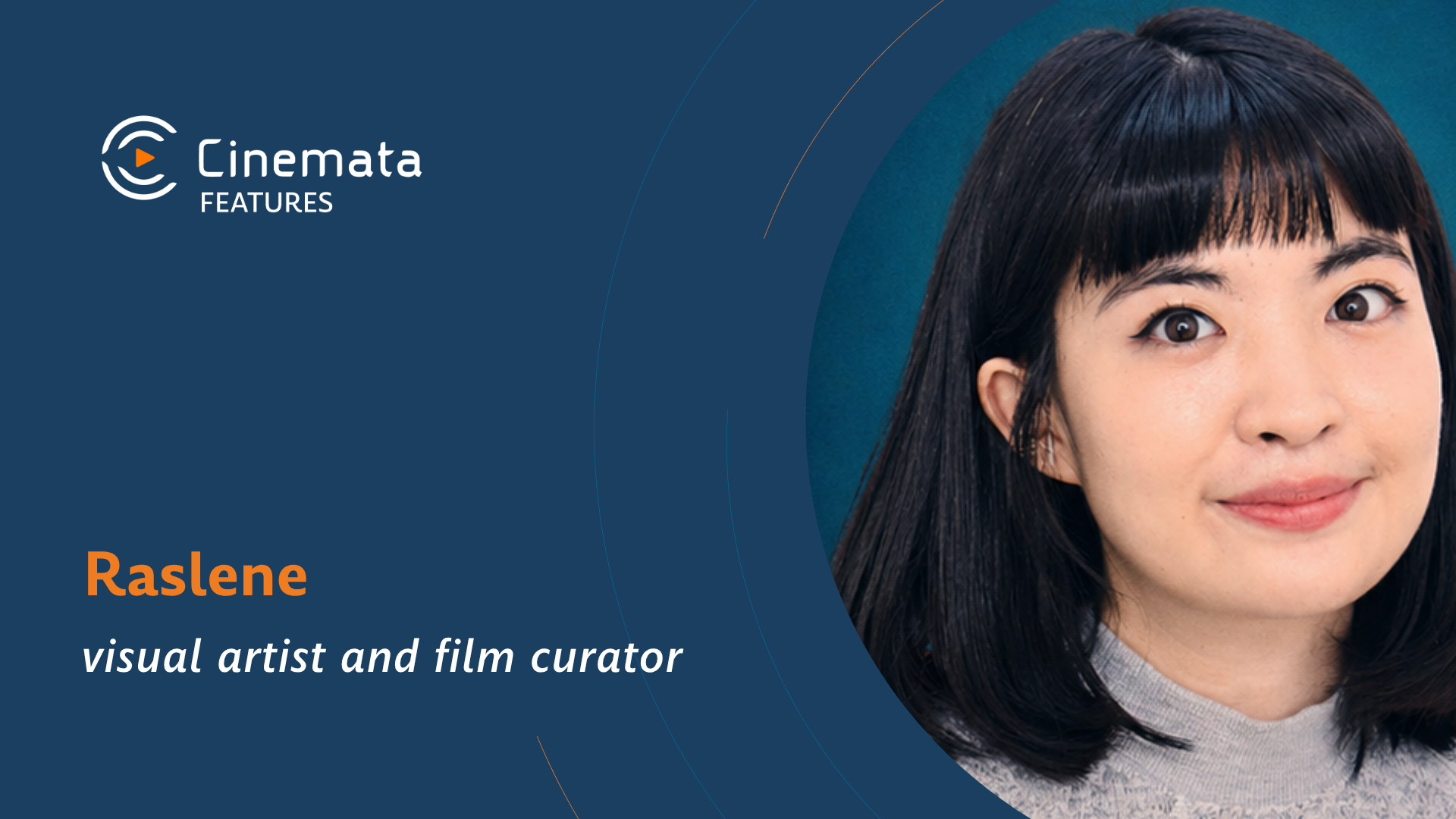
On Womanhood and the Stories That Remain, Raslene’s Take Beyond Visibility
In Second Spring, Jakarta-based visual artist and curator Raslene turns toward stories of aging, care, womanhood, and renewal—not as fixed categories, but as lived and evolving experiences shaped by culture, labor, memory, and intimacy. Emerging gradually through the process of film scouting and thematic reflection, the programme brings together works that explore what it means to move through periods of transition, vulnerability, reconciliation, and rediscovery across different stages of life.
Raslene’s curatorial practice often moves between the public and the personal, tracing how broader social structures quietly shape everyday behaviors, relationships, and ways of seeing. Through Second Spring, she reflects on the stigmas and expectations surrounding aging—particularly for women—while opening space for more expansive conversations around care, bodily change, intergenerational connection, and the invisible emotional labor carried across time.
In this Curator Spotlight, we spoke with Raslene about how the programme slowly took shape through intuition and observation, the social contradictions embedded in the language surrounding aging, and how films begin to speak to one another when assembled with attentiveness and care. The conversation also touches on vulnerability, casting, cultural expectations, and the possibilities of building intimate viewing spaces that move beyond binaries or prescribed narratives.
Eunice: What does Second Spring mean to you, and how did this idea begin to take shape through the films you’ve selected?
Raslene: At first, I didn’t really start with any fixed theme. I was just curating a few titles and seeing how they might connect, while keeping things open and a bit playful. Then, a tiny coincidence that these women characters kept standing out and that’s when I think of “The Second Spring” as a way to hold their stories together.
The term itself often refers to menopause and aging, but I prefer to take it as a period of renewal and to share those accumulated wisdom. I remember hearing a senior actress talk about how tough it is to be an actress and to deal with aging. She said you might feel insecure about physical changes, but if it’s not you who overcomes and explores those (older women) roles to make it realistic, who will? It’s unrealistic to age a young woman out by using makeup and expect her to be one. Somehow her words stayed with me, and it also made me think about casting in terms of class and race, those aren’t things you can just “put on”, no matter how good the acting methods are. So, this programme feels like a chance to highlight another side of womanhood, to actually show a whole more complex human experiences on the screen.
Eunice: You’ve described your approach as expanding outward—from a personal curiosity into broader social conversations. How do you navigate that shift from the intimate to the collective?
Raslene: I don’t remember exactly when but I once questioned why the second spring sounds so celebratory for men, almost like a second puberty, feeling vigorous, a green light to new romance, or even more marriages! Coming from my cultural experience (read: patriarchy), where men are often normalized and enabled to act like boys again at a certain age or to be more flirtatious, rather than being held to the same expectations of loyalty and care toward their spouses. Meanwhile, menopause for women is such an opposite experience: hot flashes, hormonal changes, discomfort, health risks, and so on. That contrast is beyond something personal and realizing how much of it is actually social, cultural, and shared. Yet the way we talk about it is often shaped by stigma, myths, and even misogynistic medical narratives. It needs to be talked about, to learn and unlearn about pre-aging, aging, and human behaviors change. We need to learn about many things better, and differently.
Eunice: Cinemata allows for flexible and intimate screening formats. How do you imagine audiences encountering Second Spring in these kinds of spaces?
Raslene: I hope this programme doesn’t sound like a gender debate corner, or limited to women audiences, or even a hidden seminar on health or reproductive issues. Instead, I meant it to be a space where people can just come together and encounter different forms of relationships and care, through intimate and vulnerable stories. It isn't just about “aging” either, it is also about love, reconciliation, a restart, and even how things are passed on across generations.
Eunice: How do you think about assembling films in relation to each other—what makes a group of films feel like a conversation rather than a collection?
Raslene: A bit like matchmaking, but with a curatorial sensibility, or like reaching out to a stranger before becoming friends. It takes time, careful observations, examining gestures and feelings, doing some reality checking, and also considering how each film holds its own position. I think there are many ways to assemble films, but what makes it feel like a conversation is when they start to respond, contrast, or even challenge each other, as each possibility could unfold different conversation potentials.
Raslene is a visual artist and film curator based in Jakarta. Her approach often merges contemporary–historical and public–personal perspectives to unpack social complexity, challenging what’s mundane and normalized, while offering her work/program as an alternative response to the issues embedded within them. Beyond festival programming, she also works across independent and community programming, research, and cultural initiatives.
About the Cinemata Community Curators Residency
The Cinemata Community Curators Residency supports curators across the Asia-Pacific to develop film programmes, playlists, and public screenings on Cinemata. It is part of a broader effort to build a community-driven platform where films remain accessible, contextualized, and in dialogue with the issues they engage.
In partnership with Elevated Frames, as part of their residency, the curators will be guided by Eunice Helera, Programme Coordinator, who will be working closely with them through conversations, questions, and ongoing exchanges. Together, they will navigate not only what these programmes become, but how they are formed.