After the Silence
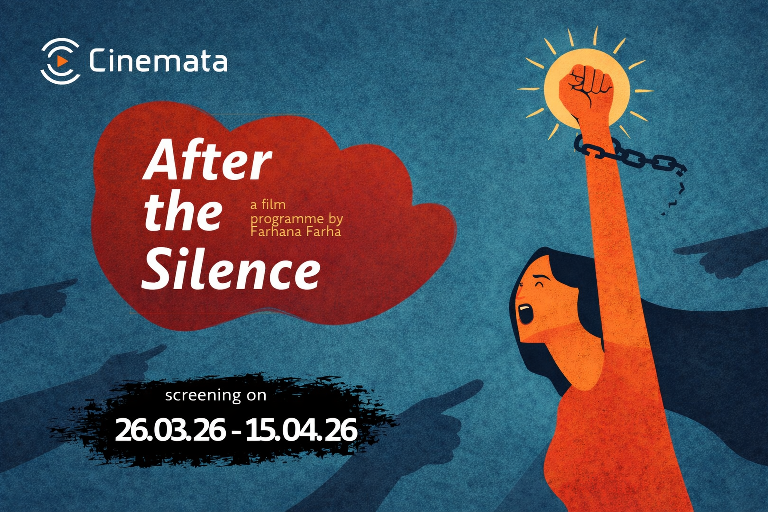
Curated by Farhana Farha
Concept / Rationale
Silence is not absence-it is produced through violence, normalized through systems, and carried within bodies, relationships, and communities. Yet, silence also holds within it the possibility of rupture.
After the Silence brings together 12 selected films from Bangladesh and across Asia, available on Cinemata from March 26 to April 14, to trace how gendered violence operates across intimate, structural, and political terrains and how those pushed into silence begin to speak back.
From the violation of consent in Alas! Ayesha, to the quiet defiance of a sex worker in Maagna, from the suffocating structures of marriage in Maybe Someday, Another Day But Not Today to the emotional fractures of Motherhood and 22 Years Later, these films reveal how violence is embedded in the everyday. Beyond the domestic Fight Shall Continue exposes how labour, migration, and economic systems discipline and exploit women’s bodies and lives. In Echoes of Exile, digital violence and transphobia push hijra and trans women into new forms of displacement, while Dear Bhie reimagines survival as creative resistance.
Across these works, silence is not singular-it is layered, shifting, and deeply political.
Programme Structure: Three Currents
1. Violent Intimacies: Home, Love, and Everyday Control
These films explore how violence is embedded within the most familiar spaces- home, marriage, and relationships. In The Story of Monsters and Captive Women and Maybe Someday, Another Day But Not Today, domestic life becomes a site of entrapment. Awaaz, Motherhood, and 22 Years Later reveal how love, duty, and betrayal reshape women’s agency. Here, control is not always visible but it is deeply felt, negotiated, and resisted.
2. Systems of Silence: Labour, Technology, and Marginalization
Moving beyond the intimate, this current examines how larger systems enforce silence. Fight Shall Continue traces how Indigenous women resist economic displacement. Echoes of Exile exposes the intersection of digital violence and gender marginalization, where trans and hijra lives are pushed to the margins both online and offline. In Maagna, resistance emerges quietly within structures of exploitation, revealing how even constrained spaces hold the potential for defiance.
3. Breaking Point: Trauma, Memory, and Reclaiming Voice
Silence also lives within. Films like Lady Lazarus, Alas! Ayesha, and Dear Bhie explore psychological trauma, survival, and the fragile process of reclaiming voice. Whether through repeated acts of survival, creative expression, or quiet refusal, these stories trace moments where silence fractures-and something begins to emerge.
Together, these three currents connect the wounds that move across bodies, systems, and inner worlds. They show that silence is not isolated. It is produced through interconnected structures of power: patriarchal, economic, technological, and cultural.
Yet After the Silence does not end with violence. It turns instead toward what comes after.
Across these films, we encounter women and gender-diverse individuals, including hijra communities, female students, migrant workers, and other marginalized voices, who refuse to remain contained by silence. Some resist loudly, others quietly. Some reclaim their voice, while others reclaim space, dignity, or the right to exist.
This programme opens a space for listening, reflection, and dialogue. It holds onto the possibility that silence can break, that voices can return, and that even within the deepest wounds, agency and resistance remain possible.